What Is Custom Packaging?
Custom packaging is packaging made to fit your product and your brand.
Instead of using a standard box for everything, you can choose the size, material, printing, and design that work for your needs.
For example, an online clothing store may need lightweight boxes or mailer packaging. A food business may need packaging that keeps products safe during delivery. A retail brand may want printed boxes that look clean and match its store design.
Custom packaging helps bring these needs together.
It can help you:
- Protect your products during storage and delivery.
- Show your brand name and logo clearly.
- Choose the right size for your product.
- Give customers a better experience when they open the package.
- Make your products easier to recognize.
The right packaging depends on what you sell, who buys it, and how the product reaches the customer.
Make Your Brand Easy to Recognize
People see many brands every day. Simple, clear packaging can help customers remember yours.
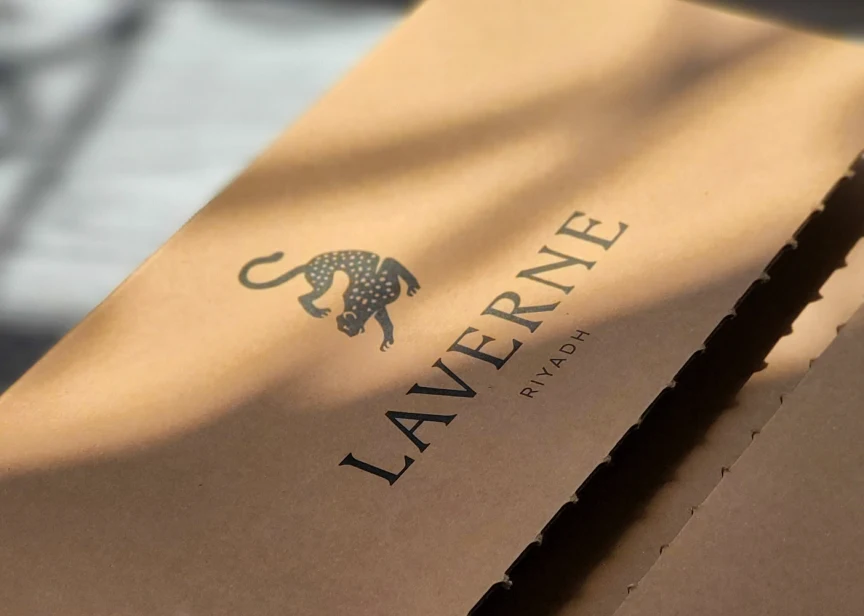
Your logo, brand colors, and packaging style work together to show people who you are.
When these elements look the same across your products, customers can begin to recognize your brand more easily.
Keep Your Logo Clear
Your logo does not need to cover the whole box.
Place it where people can see it. Make sure it is large enough to read and has enough space around it.
A small, well-placed logo can look better than a box filled with too many words and graphics.
Use Your Brand Colors
Colors help people connect packaging with your business.
If your brand uses orange and black, for example, you can use those colors on your packaging in a simple and clear way.
You do not always need full-color printing. One or two colors may be enough to show your brand and keep the design clean.
Keep Your Design Consistent
Try to use the same logo, colors, and basic design style across your packaging.
This helps your products look like they belong to the same brand, even when the box sizes or product types are different.
Choose the Right Box Size and Shape
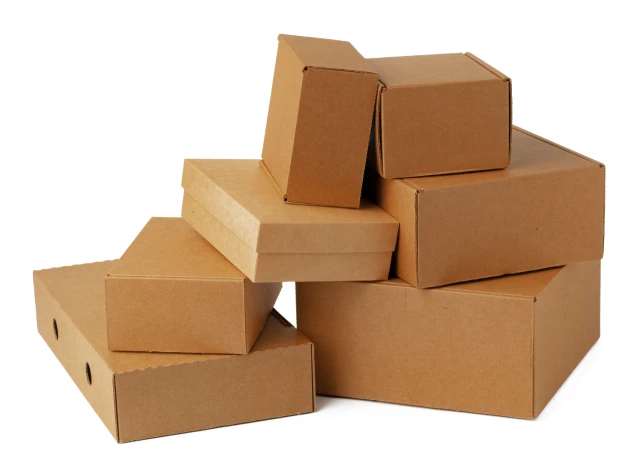
Good packaging should fit your product.
A box that is too large may need extra filling and take up more space during shipping. A box that is too small may put pressure on the product or make it difficult to pack safely.
The right size helps protect your product and makes better use of packaging materials.
Start with Your Product
Before choosing a box, measure your product.
You will usually need:
- Length
- Width
- Height
Think about how the product will sit inside the box and whether it needs extra space for protective materials.
If your product is fragile, you may need room for inserts, cushioning, or other protection.
Think About Shipping
Your packaging may travel through warehouses, delivery vehicles, and different handling points before reaching the customer.
Choose a box that can support your product during this journey.
For heavier products, the material and box structure matter. Corrugated boxes are available in different constructions, including 3-ply and 5-ply options, depending on the packaging requirements.
The right choice depends on product weight, dimensions, stacking, and delivery conditions.
Make the Shape Work for Your Brand
Custom packaging does not always need an unusual shape.
A well-fitted box with clean printing can look professional and make packing easier.
For many businesses, a practical box with the right dimensions is more useful than a complicated design.
Use Printing and Colors with Care
Printing is one of the easiest ways to add your brand to packaging.
It can help your box look more professional, share important information, and make your product easier to identify.
But more printing does not always mean better packaging.
A simple design can work very well when the right details are in the right places.
Choose the Right Printing Option
Different packaging needs may call for different printing choices.
For example:
- One-color printing can work well for simple logos, names, and basic information.
- Full-color CMYK printing can be useful for detailed graphics, images, and colorful designs.
- Special finishes, such as foil or spot UV, may suit certain premium packaging projects.
The available printing method depends on the material, quantity, design, and production requirements.
Ask your packaging supplier which options are suitable for your product and budget.
Keep Important Information Easy to Read
Your packaging may need to show more than your logo.
Depending on the product, you may want to include:
- Product name
- Brand name or logo
- Handling instructions
- Contact information
- Product or shipping details
Keep the information clear and organized.
Avoid filling every empty space with text or graphics. Give the design room to breathe.
Think About the Material
The same color or design may look different on different materials.
Kraft brown paper has a natural brown surface, while white paperboard provides a different background for printing.
Before producing a large order, review a sample or approved proof where available.
This helps you check the logo, colors, text, and overall appearance before production begins.
Make the Customer Experience Better
Packaging is part of the experience of receiving a product.
When a customer gets an order, the box is often the first physical part of your brand they see.
A package that is clean, easy to open, and suitable for the product can help create a positive experience.
Make It Easy to Open
Customers should not have to struggle with their packaging.
Choose a box style that is practical for your product and easy to handle.
For e-commerce orders, consider how customers will open the package and remove the product.
Protect What Is Inside
The main job of packaging is to protect the product.
Make sure the box and any protective materials suit the product’s size, weight, and delivery needs.
A beautiful box is not useful if the product arrives damaged.
Keep It Clean and Simple
A neat box, clear logo, and well-packed product can make a strong impression.
You can also add a simple thank-you message or product information when it fits your brand and budget.
Small details can help customers feel that care has gone into their order.
Choose Packaging That Fits Your Budget
Custom packaging does not have to mean spending more on every order.
The goal is to find packaging that meets your needs and gives you good value.
The cost of packaging can depend on several things:
- Box dimensions and structure.
- Type and amount of material.
- Printing colors and finishes.
- Order quantity.
- Special design or production requirements.
Use the Right Amount of Material
Choose a box size that fits your product and avoids unnecessary space where possible.
This may help reduce extra filling materials and make storage and handling easier.
However, do not make the box too small or weak just to reduce costs. Product protection should always come first.
Keep Printing Practical
If your brand only needs a logo and a few details, a simple print may be enough.
More colors and special finishes can add cost, so decide which design elements are important for your customers and brand.
Plan Your Quantity
The number of boxes you order can affect the price per piece.
If you expect to need packaging regularly, discuss your estimated quantity and order schedule with your supplier.
Ask for a quote based on your actual packaging requirements rather than comparing prices without considering the material, size, and printing.
How to Get Started with Custom Packaging
You do not need to know everything about packaging before contacting a supplier.
Start with a few simple details about your product and business.
Step 1 — Tell Us About Your Product
Share what you sell, how much it weighs, and how it will be stored or delivered.
This helps identify the type of packaging you may need.
Step 2 — Share Your Box Size
Provide the length, width, and height of your product or the box you want.
If you are not sure about the exact dimensions, share an estimate and explain your requirements.
Step 3 — Choose Your Material and Printing
Think about the level of protection, material, logo, and printing you need.
If you are unsure, ask the packaging team to explain the available options.
Step 4 — Request a Quote
Share your packaging details, quantity, and delivery requirements.
The supplier can review your information and discuss the available materials, printing, pricing, and production schedule.
Ready to Make Your Packaging?
At BengalPack, we make paper and corrugated packaging for businesses that need practical, reliable, and custom packaging solutions.
Whether you need shipping boxes, retail packaging, or packaging made around your product, our team can help you discuss the right options.
Final Thoughts
Custom packaging is a simple way to bring your product and your brand together.
The right size helps protect your product. Clear printing helps people recognize your business. Thoughtful design can make receiving an order easier and more enjoyable.
You do not need a complicated box to make a good impression.
Start with what your product needs. Choose a suitable material, keep your design clear, and make sure the packaging works for your business and your customers.
Good packaging should protect your product, support your brand, and give your customers a better experience.